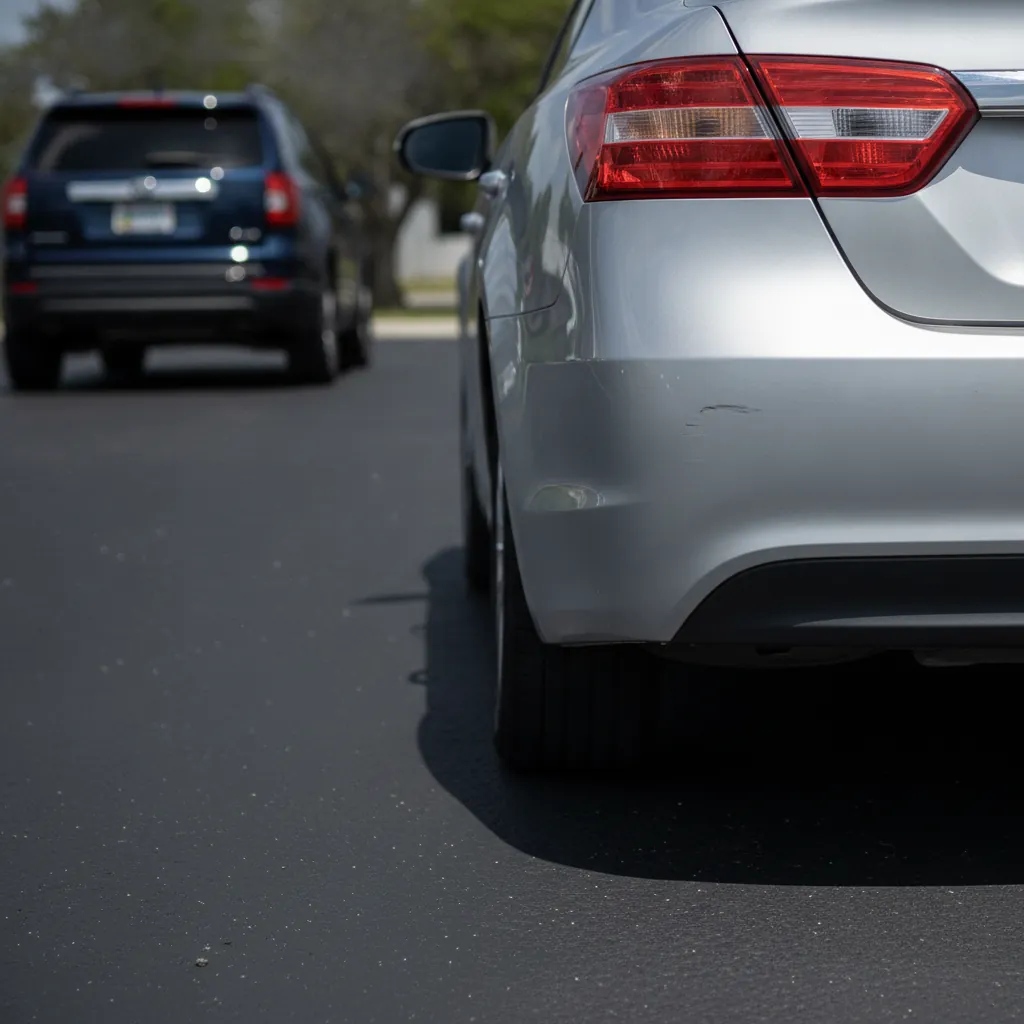
More than one driver can be at fault. Florida usually presumes the driver who hits a car from behind was careless, but evidence such as a sudden lane change, a brake-check, or a second impact can shift some of that blame or all of it. Florida's comparative fault law then divides responsibility among the drivers by percentage.
Can Several Drivers Share the Blame for One Florida Pileup?
Yes. When three or more cars collide, each driver's following distance, speed, lane changes, and reaction time get judged on their own, and a court or insurer can assign a share of fault to every driver who contributed.
Under Florida Statutes section 768.81, a court generally enters judgment against each liable party based on that party's own percentage of fault. So if two drivers caused your injuries, you may need a claim against both of them to recover your full damages.
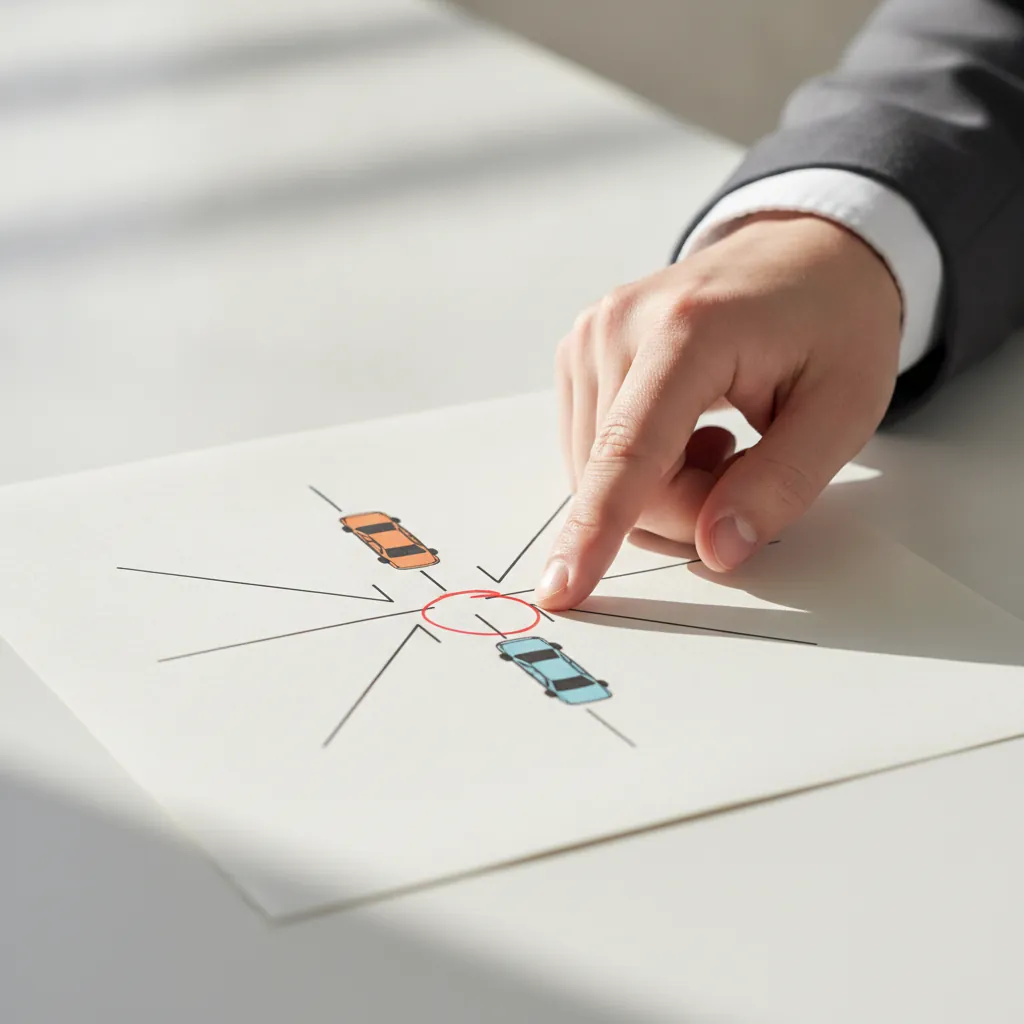
How Evidence Can Move Blame Away From the Last Car in Line
Florida starts with a presumption that the rear driver was careless, and insurers lean on it. Attorney Vladimir Tsirkin explains where he looks first:
"In a chain-reaction accident, the last vehicle is usually presumed to be at fault, but evidence may show otherwise. For example, did the vehicle ahead cut it off or suddenly move into its lane? Did that vehicle stop suddenly because of a mechanical failure or to avoid another collision?"
He adds two more situations that can push responsibility forward in the line: an unsafe lane change in front of another car, and a driver who deliberately brakes to "brake-check" the car behind. Depending on the facts, the front driver, the rear driver, or both can end up sharing the blame. Following too closely matters too: a middle driver who couldn't stop in time behind a car that braked for a good reason can carry part of the fault.
Two Hits or One? How the Order of Impacts Decides Fault
A chain-reaction crash is a series of collisions seconds apart, and fault follows the order. Mr. Tsirkin says the front car's occupants can supply an early clue:
"Two separate impacts may suggest that the second vehicle first hit the first vehicle, and then the third vehicle hit the second, pushing it into the first vehicle again. In that situation, both the second and third drivers may share responsibility. However, two impacts alone do not establish fault; the other evidence must also be considered."
Dashcam Video, Vehicle Data, and Damage That Show Who Hit Whom
A dashboard camera can capture the whole sequence. Mr. Tsirkin also points to the event data recorder in many modern cars, which may store speed and whether the brakes were applied before impact. What each recorder keeps varies by vehicle, and experts use that data to rebuild the timeline.
Crush damage on the front and rear of the middle cars can show one hit or two. Skid marks and debris show where each impact happened, and witnesses or nearby cameras can confirm who changed lanes or stopped short.
Florida's 50 Percent Rule and What It Does to Your Claim
Mr. Tsirkin sums up the rule:
"Florida generally follows a rule called modified comparative negligence: you may recover damages if you are 50% or less at fault, but your compensation is reduced by your percentage of fault. If you are more than 50% at fault, you generally cannot recover damages from the other driver."
That 50 percent line is why the fault split matters so much. If your share climbs above half, your claim against the other drivers generally ends, so look closely at any split before you accept it.
Your PIP Payment Leaves the Fault Question Open
Personal Injury Protection (PIP) pays part of your covered medical bills whoever caused the crash, and collecting it settles nothing about fault. Fault matters when you seek compensation from another driver, and a pain-and-suffering claim generally also needs an injury that meets Florida's legal threshold. For limits and the 14-day rule, see how Florida PIP insurance works after a crash.
Save Your Car and Scene Evidence Before It Disappears
In a multi-car case, the damaged cars are evidence, and a body shop or salvage yard can repair or scrap yours within days. Mr. Tsirkin's advice is to track where your vehicle is taken and arrange for an expert to examine it first. If it's safe, photograph and film the scene: vehicle positions, damage, skid marks, debris, and road conditions.
Download any dashcam footage right away, since many cameras record over old clips. Write down how many impacts you felt, and in what order, while it's fresh. The rest of the early checklist is in what to do in the first 14 days after a Florida car accident.
Talk to Vladimir Tsirkin & Associates About a Multi-Car Crash
Vladimir Tsirkin & Associates is a personal injury firm at 800 SE 4th Ave, Suite 620, in Hallandale Beach. Vladimir Tsirkin is admitted to the bar in Florida, New York, New Jersey, and Pennsylvania, and he works alongside attorney Daniel Karmansky. You can talk to the firm in English, Russian, or Spanish, and clients have rated it 4.9 stars across 188 reviews.
"Tetyana was always available and kept me updated on my case. The attorney who handled my case, Daniel, is a true professional."
Oxana Selivestru
When several drivers and insurers each blame someone else, a Hallandale Beach car accident lawyer can gather the video, vehicle data, and damage evidence early and challenge a fault split the facts don't support. No fee unless we win. Call 800-99-CRASH, text 305-831-4333, or request a free car accident consultation.
Frequently Asked Questions
I was the front car and did nothing wrong. Who pays for my injuries?
PIP pays first, up to its limits, whoever caused the crash. Beyond that, a claim may run against the drivers behind you who are found at fault, each generally for their own percentage.
I felt two hits. Does that prove two drivers caused it?
It's a useful clue that video, vehicle data, and the damage pattern still have to confirm.
Can I still recover if I was partly at fault?
Generally yes, at 50 percent fault or less, with your recovery reduced by your share.
Disclaimer: This information is provided for educational purposes and does not constitute legal advice. Every case is unique. Contact our office to discuss your specific situation. Reading this article does not create an attorney-client relationship. Past results do not guarantee a similar outcome.
Attorney Advertising.